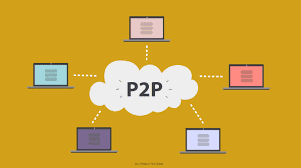
While P2P cryptocurrency trading in Belarus used to be relatively unrestricted, new regulations have drastically changed the landscape. President Alexander Lukashenko has signed Decree No. 367, officially prohibiting P2P transactions between individuals unless they involve residents of the High-Tech Park (HTP). What should cryptocurrency traders do now, and how can they stay within the law? Let's break it down in detail.
What Has Changed?
Decree No. 367, signed on September 17, 2024 (you can read it here), introduces new restrictions on cryptocurrency transactions. Now, individuals and sole proprietors who are HTP residents are required to conduct transactions through HTP residents — this applies to any operations involving money. For example, buying Bitcoin directly from a friend using Belarusian rubles is now prohibited. The goals of this decree are:
- Increasing transaction transparency.
- Preventing money laundering schemes through cryptocurrency.
- Protecting citizens from fraud and illegal operations.
The key change is the mandatory involvement of an HTP resident in most transactions. This effectively legalizes operations only through regulated platforms registered in Belarus.
What Is Allowed and What Is Prohibited?
The new regulations apply only to transactions involving money — Belarusian rubles, US dollars, etc. Cryptocurrency-to-cryptocurrency transactions without money involved remain outside strict control for now. Let’s break down how this works with specific examples.
Prohibited: Buying Bitcoin with Belarusian Rubles Directly from Another Person
Scenario: Vasya agrees with Petya to buy Bitcoin using Belarusian rubles. Vasya transfers money directly from his card to Petya’s card.
Why is this a violation? Under the new rules, such transactions are prohibited. All funds must go through an intermediary — a resident of the High-Tech Park (HTP). The HTP resident acts as a guarantor to ensure the transaction is transparent and legal.
What to do? Instead of transferring directly, Vasya must send the money to an HTP resident. The resident will purchase Bitcoin and transfer it to Vasya. It might take longer, but it ensures everything is legal.
Prohibited: Transferring Money Directly to a Foreign Crypto Exchange
Scenario: Vasya wants to buy tokens on a foreign exchange like Binance by transferring money directly from his card to the platform.
Why is this a violation? According to the new rules, direct transfers to foreign platforms are prohibited. Vasya must first send the funds to an HTP resident, who will then complete the transaction on the exchange and return the tokens to Vasya.
What to do? Instead of sending money directly, Vasya can use trusted HTP residents. This approach is legal, safe, and helps avoid issues with banks and regulators.
Allowed: Crypto-to-Crypto Exchange
Scenario: Vasya wants to swap his USDT for Bitcoin with Petya. Both already own cryptocurrency, and no money is involved.
Why is this legal? Such exchanges are regulated by the older Decree No. 8. Since no money is involved, Decree No. 367 does not apply. Vasya and Petya can freely exchange cryptocurrencies.
What to remember? Crypto-to-crypto transactions remain legal for now, but it's always best to check for the latest updates to avoid breaking any rules.
Allowed: Gifting Cryptocurrency
Scenario: Vasya wants to gift Petya some Bitcoin for his birthday.
Why is this legal? Decree No. 367 does not regulate cryptocurrency gifting. Vasya can send any amount of crypto to Petya without intermediaries. However, there’s a catch: if Petya decides to sell the gifted Bitcoin, he must do so through an HTP resident.
What to remember? Gifting cryptocurrency is unrestricted. But as soon as the gifted crypto is involved in a transaction with money, the rules of the decree must be followed.
These examples highlight the importance of understanding when money is involved. The moment a transaction includes Belarusian rubles, US dollars, or any other currency, an HTP resident must be part of the process. Follow the rules to stay compliant!
What Are the Consequences of Violations?
If you decide to bypass the rules and conduct a P2P transaction directly, you could face charges for illegal business activities. This is not just a formality — it's a serious offense with real consequences:
- Fines ranging from 20 to 50 base values. In 2024, the base value in Belarus is 37 rubles. This means the minimum fine is 740 rubles, and the maximum is 1,850 rubles.
- Confiscation of income. Any money earned from illegal transactions can be confiscated in full. Even if the funds were honestly earned, violating transaction rules means you could lose them.
- Additional penalties. By June 1, 2025, the government will introduce new penalties for violating the decree. While the details are not yet known, stricter regulations or higher fines are likely.
Why Is It Better Not to Risk It?
Breaking the rules means not only fines and confiscation but also a damaged reputation. Banks and platforms you work with may blacklist you. If you're a sole proprietor or company, you could be removed from the HTP. The government has made it clear that cryptocurrency operations in Belarus are allowed — but only if done legally through verified channels. The decree aims to eliminate "grey schemes" and create a more stable and secure crypto market for all participants.
How to Trade Cryptocurrency Legally and Safely?
If you want to continue working with cryptocurrency without unnecessary problems, it’s important to follow the new rules. Here are a few simple tips:
- Use only legal exchanges and exchangers. The High-Tech Park (HTP) website lists 14 companies that can act as intermediaries. They operate officially and will help you conduct transactions without violations.
- Avoid direct P2P transactions. Even if direct deals seem faster and more convenient, they are now prohibited. All money transfers must go through HTP residents.
- Keep your documents. Banks or regulators may request proof of your transactions. Save receipts, contracts, and other documents to always be prepared for an audit.
- Stay updated on the laws. Decree No. 367 and Decree No. 8 are your main guides. Study them and keep up with updates to avoid breaking the rules.
How to Make It Even Easier?
For your convenience, we’ve found a Telegram bot that solves all your cryptocurrency transaction issues. Here’s how it works:
- Integration with verified services. All operations go through official platforms, keeping you within the law.
- Protection from blocks and fines. The bot helps you avoid mistakes that could lead to problems.
- Simple process. No need to worry about the details — the bot handles everything for you.
Connect to our Telegram bot and trade with peace of mind. It’s not just convenient — it’s legal and safe.

Create an account in xRocket today and start applying your knowledge in practice.
Create an account in xRocket today and start applying your knowledge in practice.